
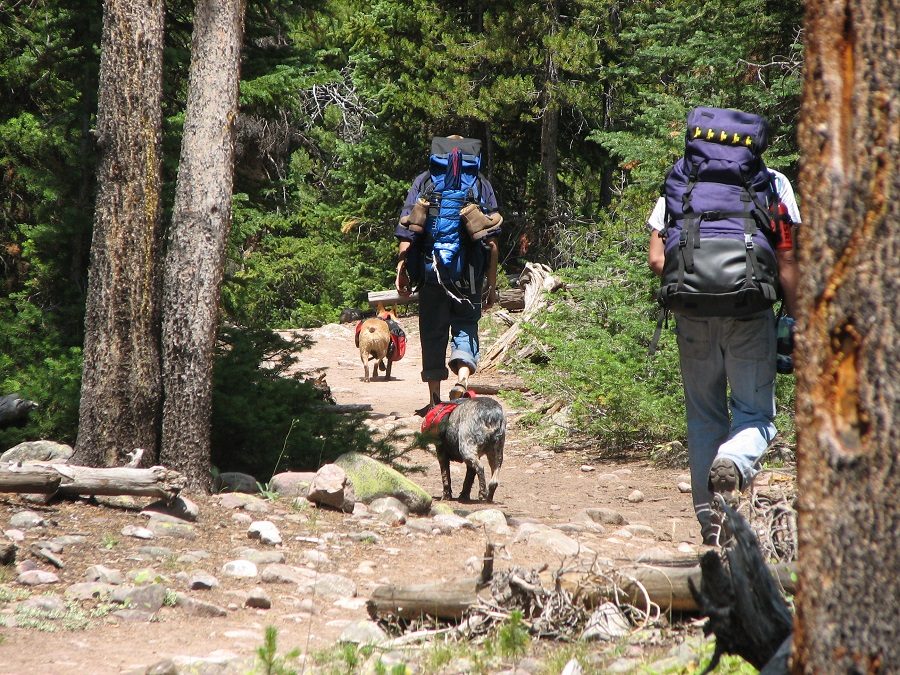
The Pre-Trip Panic Is Real
The second you say, “Let’s go backpacking this weekend,” your brain immediately responds with, “Cool, let’s think about everything that could go wrong.” Suddenly you’re wondering if bears like the taste of protein bars, whether you remember how to tie a knot, and if you should have spent less time watching TikToks and more time learning how to use a map. Relax. This is a weekend backpacking trip, not a thru-hike across Mars.
Preparation does not mean spiraling into 47 open tabs and a color-coded spreadsheet (though if that’s your love language, no judgment). The goal is to bring enough to be safe, reasonably comfortable, and not cry yourself to sleep in a damp tent. You do not need your entire house, your hair dryer, or three backup hoodies “just in case.” Just bring enough to survive the weekend without crying consistently.
Step One: Define the Trip (Before You Touch Your Gear)
Before you start flinging gear across your living room like you’re in a REI commercial, sit down and define what this trip actually is. How many days and nights are you out? Are you doing 5 mellow miles a day, or 15 “who thought this was a good idea” miles with 3,000 feet of elevation gain? Are you in forest shade, exposed ridgelines, or “welcome to wind tunnel” territory? And yes, you do actually need to check the weather future you would like to know if rain, heat, or surprise cold is invited to this party.
Vague planning is the gateway drug to overpacking and bad decisions. “It’s just a weekend” tells you nothing useful. That attitude is how people end up bringing three jackets, one pair of socks, a cast-iron skillet, and exactly zero rain protection. When you know distance, terrain, and weather, you can pack for this trip, not for every possible situation your anxiety can invent between now and Friday.
The Big Three: Get These Right or Everything Else Is Noise
In backpacking land, there are three items that matter more than all your cute little gadgets combined: your backpack, your shelter, and your sleep system. If those three are dialed in, you can put up with a lot—slow stove, mediocre snacks, questionable coffee choices. If they’re wrong, you’re just a mobile complaint generator with blisters. Your backpack should fit, not just exist. Your shelter should keep you dry and not require an engineering degree to pitch. Your sleep system (bag + pad) should keep you warm enough that you don’t spend the night bargaining with the universe for one degree more.
This is where you balance weight versus comfort. Sure, you can go ultralight and sleep on what feels like a yoga mat designed by your enemies, but if you wake up feeling like you’ve been hit by a small car, was it worth it? On the flip side, hauling a five-pound tent and a “luxury” car-camping mattress is a fun way to discover how much you really enjoy suffering uphill. You can survive bad coffee. You cannot survive bad sleep—at least not without making everyone around you deeply regret going with you.

Clothing: Pack for Reality, Not Your Instagram Photos
Clothing is where optimism and delusion truly shine. People plan like they’re starring in a moody outdoor brand photoshoot, then end up hiking in the same sweaty shirt for two days anyway. For a weekend trip, think layers: a moisture-wicking base layer, an insulating mid-layer, and a real rain jacket—not “it kind of kept me dry at a concert once” but actually waterproof. Throw in an extra pair of socks and underwear, and you are already doing better than half the internet.
What do people always overpack? Extra outfits “just in case,” heavy cotton hoodies, and enough t-shirts to open a small booth. What do they forget? A warm hat, gloves if it might get chilly, and a dry top to sleep in. That extra outfit won’t save you from sweat, rain, or yourself. You will not magically become a different, cleaner person on night two. You’ll just be the same person, but with heavier gear and slightly more regret.
Food Planning: Eat Like a Human, Not a Survival Experiment
The outdoors is not your chance to test how little you can eat before you start hallucinating your trail mix talking to you. Start with the basics: how many breakfasts, lunches, dinners, and snacks do you actually need for the number of days you’re out? Then add a little extra buffer, because “I’m not that hungry when I hike” is a lie people tell indoors near refrigerators. Focus on simple, low-effort food: instant oats, tortillas, ramen, pre-cooked rice packets, nut butters, jerky, dehydrated meals if you’re feeling fancy.
You’re not trying to win “Most Creative Suffering” by surviving on one granola bar and vibes. Pack enough calories to keep your energy and mood up without hauling a full pantry. Hunger makes everything harder, including friendship. The fastest way to test the strength of your relationships is to underpack food and then hike uphill. Do everyone a favor and bring enough that nobody has to negotiate for the last peanut.
Gear You Need vs. Gear You Think You Need
There’s essential gear, and then there’s the “I saw this on YouTube once” pile. Essentials: water treatment (filter, tablets, or both), navigation (map + compass or GPS app you actually know how to use), a basic first-aid kit, a headlamp with fresh batteries, and a lighter plus backup fire starter. These are non-negotiable. These are the things that turn “mild inconvenience” into “no big deal” instead of “well, that was a story we barely survived.”
Then there’s the rest—the just-in-case hammock you never sit in, the massive multitool you use to open exactly one snack, the third knife (why), the camp pillow plus the backup camp pillow, and that gadget you bought on sale and have never once turned on. Here’s a wild idea: test everything at home first. If you don’t know how to use it, it’s decorative. Backpacking is not the ideal time to read instructions by headlamp while pretending you’re calm.

The Mental Game: Managing Expectations on the Trail
Here’s the truth no gear list can fix: something will go wrong. Your stove will act weird, your feet will complain, the weather will ignore the forecast like it’s a suggestion, and you’ll probably forget at least one minor thing. That doesn’t mean you failed; it just means you went outside. If you accept that you will be uncomfortable at least once—cold, sweaty, tired, annoyed—you’re already ahead of the game. Discomfort isn’t a glitch, it’s part of the software.
The trick is reframing it. You’re not at a resort; you’re voluntarily walking around with your bed on your back for fun. When something goes sideways, you’re building stories, not just suffering. (You can complain and enjoy yourself; we’re all multi-dimensional like that.) This is adventure, not a resort. The sooner you stop comparing your experience to a spa weekend, the happier you’ll be that your “jacuzzi” is a cold creek and your “turn-down service” is zipping your own sleeping bag.
Final Pack Check: The “Am I Overthinking This?” Test
Right before you leave, you’ll be tempted to do one last panic-add: another shirt, a second backup charger, a random extra thing “just in case civilization ends between Friday and Sunday.” This is your moment to breathe and do a calm final check instead. Pick up your pack. Does the weight feel reasonable for your body and your planned mileage? Re-check the weather—you know it’s changed since last night. Confirm your food, water plan, and core safety items. That’s it. No, you do not need to add the cast-iron skillet now.
At some point, you have to stop tweaking and accept that you are prepared enough. Could your system be more optimized? Sure. Will that matter as much as simply going, learning, and adjusting next time? Absolutely not. Preparedness beats perfection every single time. The goal is to walk out the door feeling ready-ish, not flawless. You can always dial things in after this trip—once you’ve actually used your gear in the real world and not just your living room.
You’re More Ready Than You Think
If you’ve defined your trip, dialed in your big three, packed realistic clothing, brought enough food, and kept your gear focused on essentials, then congratulations—you are already more prepared than a large percentage of people who “just wing it.” The rest you’ll learn by doing: what you didn’t use, what you wished you had, and which comfort items are worth their weight in sanity. Weekend trips are practice reps, not exams. The point is to get out there, not to earn an A+ in ultralight minimalism.
So trust your prep, accept that the unexpected will happen, and go anyway. You don’t need to be the most experienced hiker on the trail; you just need to be the one who actually left the couch. Let’s get that pack ready—time to get outdoors, or at least make it look like you know what you’re doing.